
Quality Assurance
Rigorous testing at every stage of the casting process
Our Laboratories
Advanced testing infrastructure ensures every casting meets international standards and customer specifications.
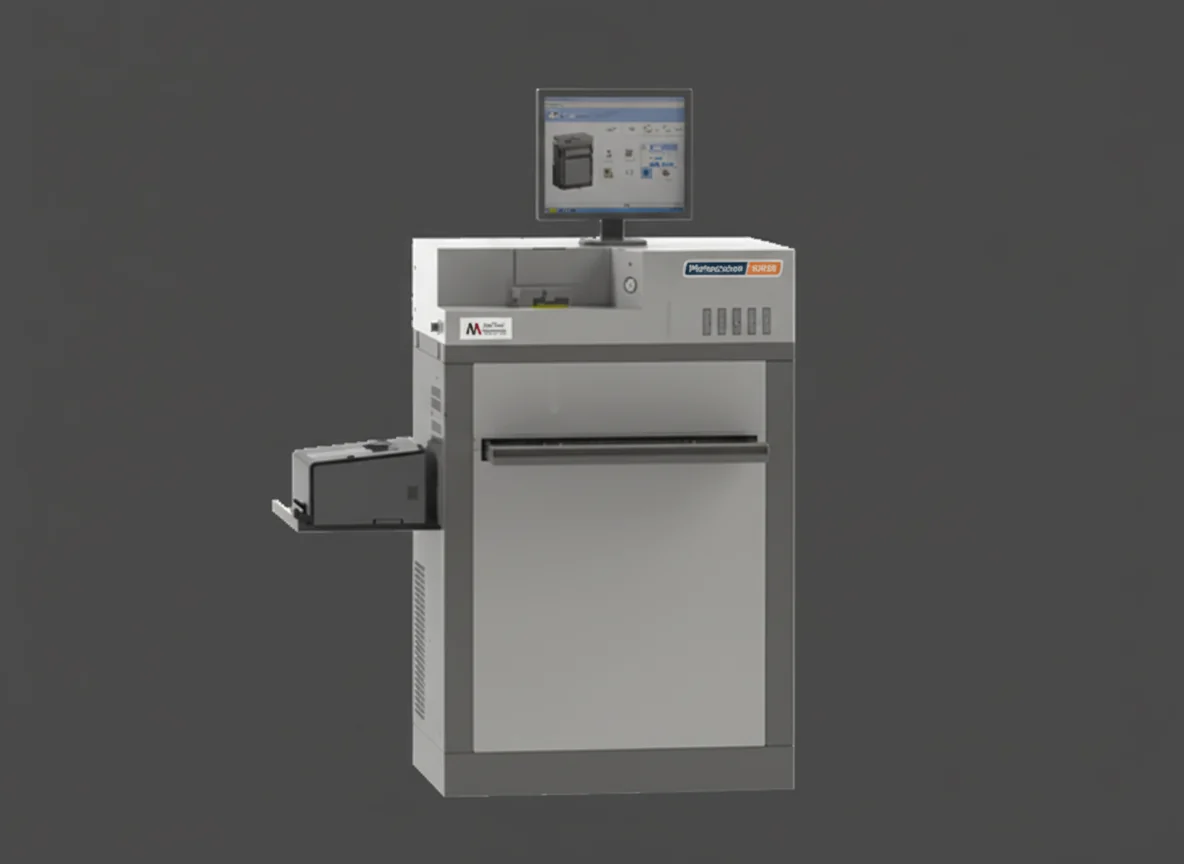
Metallurgy Lab
Equipped with a spectrometer for precise chemical composition checks and an optical microscope with Image Analyzer software for in-depth microstructure analysis.
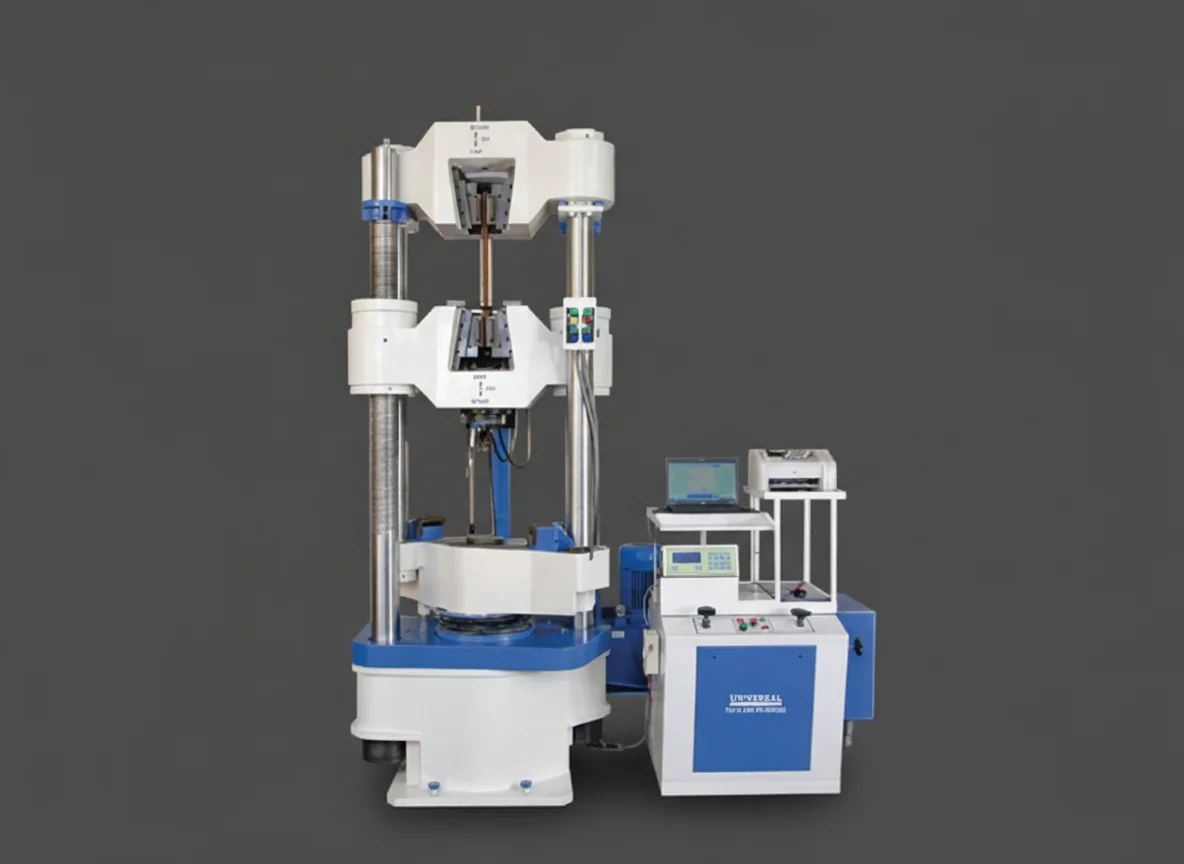
Mechanical Testing Lab
Rockwell hardness testing machine and a Universal Testing Machine (UTM) to guarantee the highest standards of strength and durability in our castings.
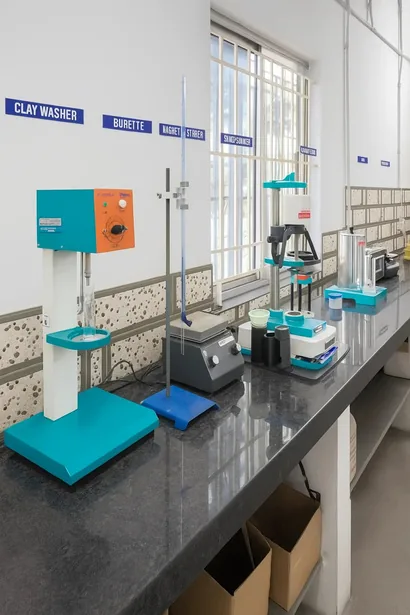
Sand Testing Lab
Rigorous assessment of moulding and core-making sand quality — testing moisture content, permeability, and strength to ensure optimal results.

ISO 9001:2015 QMS
Certified by TUV SUD (Certificate No. 99 100 22638). Every batch undergoes metallurgical analysis, dimensional inspection, and mechanical testing.
Material Test Certificates
Every batch is backed by a documented test certificate, not just an internal pass/fail check.
We issue a Material Test Certificate (MTC) with each batch, following the BIS Annexure-I format under IS 210:2009. Every certificate carries chemical composition and mechanical test results from that batch, with financial-year certificate numbering so any certificate can be traced back to the exact production run it covers.
What's on the certificate
- Spectrometer chemical composition results
- Mechanical properties from the universal testing machine
- Hardness values
- Grade and standard reference (IS / EN / ASTM / DIN)
- Batch and certificate number for traceability
Where Quality Is Checked
Testing happens at each stage of production, not only as a final check before dispatch.
Melting
Every heat is checked on the spectrometer before pouring, so composition is confirmed while it can still be corrected — not after the metal has already set.
Moulding
Sand is tested for moisture content, permeability and strength before use, since mould quality drives dimensional accuracy and surface finish as much as the metal itself.
Finished casting
Hardness testing and mechanical testing on the universal testing machine confirm the casting meets its specified grade, with microstructure checked on the optical microscope where the application calls for it.
Before dispatch
Dimensional and visual inspection against the drawing, with the Material Test Certificate for that batch prepared and issued alongside the shipment.
Casting to a specific grade or standard? See the full grade range
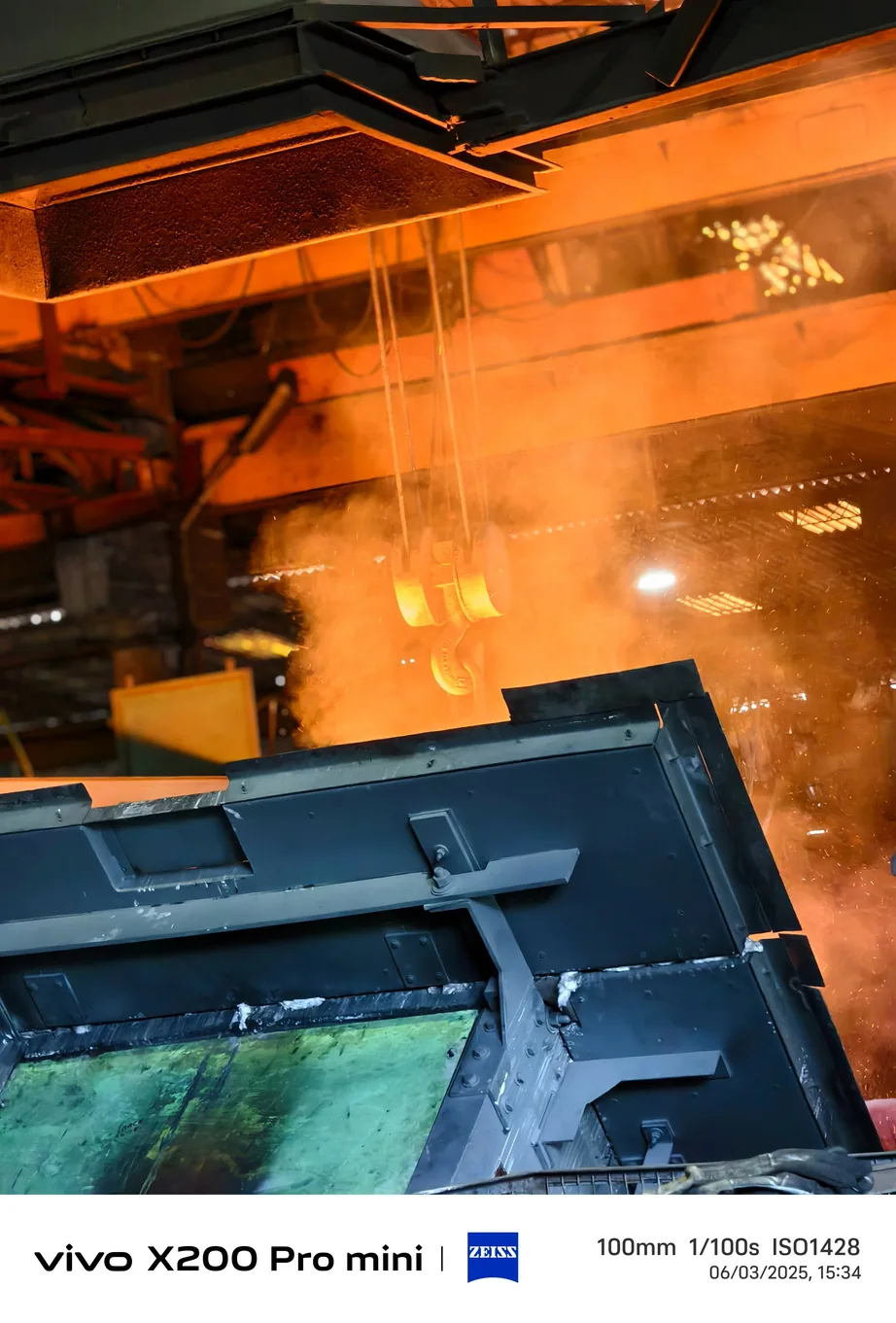
Dedicated & Strong Team
Our workforce includes experienced foundry engineers, metallurgists, quality controllers, skilled technicians, and dedicated marketing and logistics personnel. Continuous training and process audits ensure adherence to best practices and safety norms.
Frequently Asked Questions
Do you provide Material Test Certificates?
Yes. Every batch is issued a Material Test Certificate (MTC) in the BIS Annexure-I format under IS 210:2009, showing chemical composition from the spectrometer and mechanical properties from the universal testing machine, with financial-year certificate numbering for traceability back to the production batch.
What quality certification does the foundry hold?
Sri Gnanamurugan Foundry holds ISO 9001:2015 certification issued by TUV SUD under certificate number 99 100 22638.
What testing equipment do you have in-house?
The in-house laboratory covers spectrometer analysis for chemical composition, Rockwell hardness testing, a universal testing machine for mechanical properties, an optical microscope with image analyser for microstructure, and a sand testing laboratory.
At what stages are castings inspected?
Quality is checked throughout the process rather than only at the end — chemical composition is controlled at the melting stage, sand properties are tested for moulding, and hardness, mechanical and dimensional inspection are carried out on every batch before dispatch.